

By placing your order, you agree to the Terms and Conditions. We use and share your details to process and deliver your order. See our Privacy Policy
Materials and Innovation
We believe the future of fashion should consider people, materials and how resources are used.
We are exploring circular design principles and, where possible, incorporating recycled and regenerative materials that meet our standards to make greater use of existing resources.

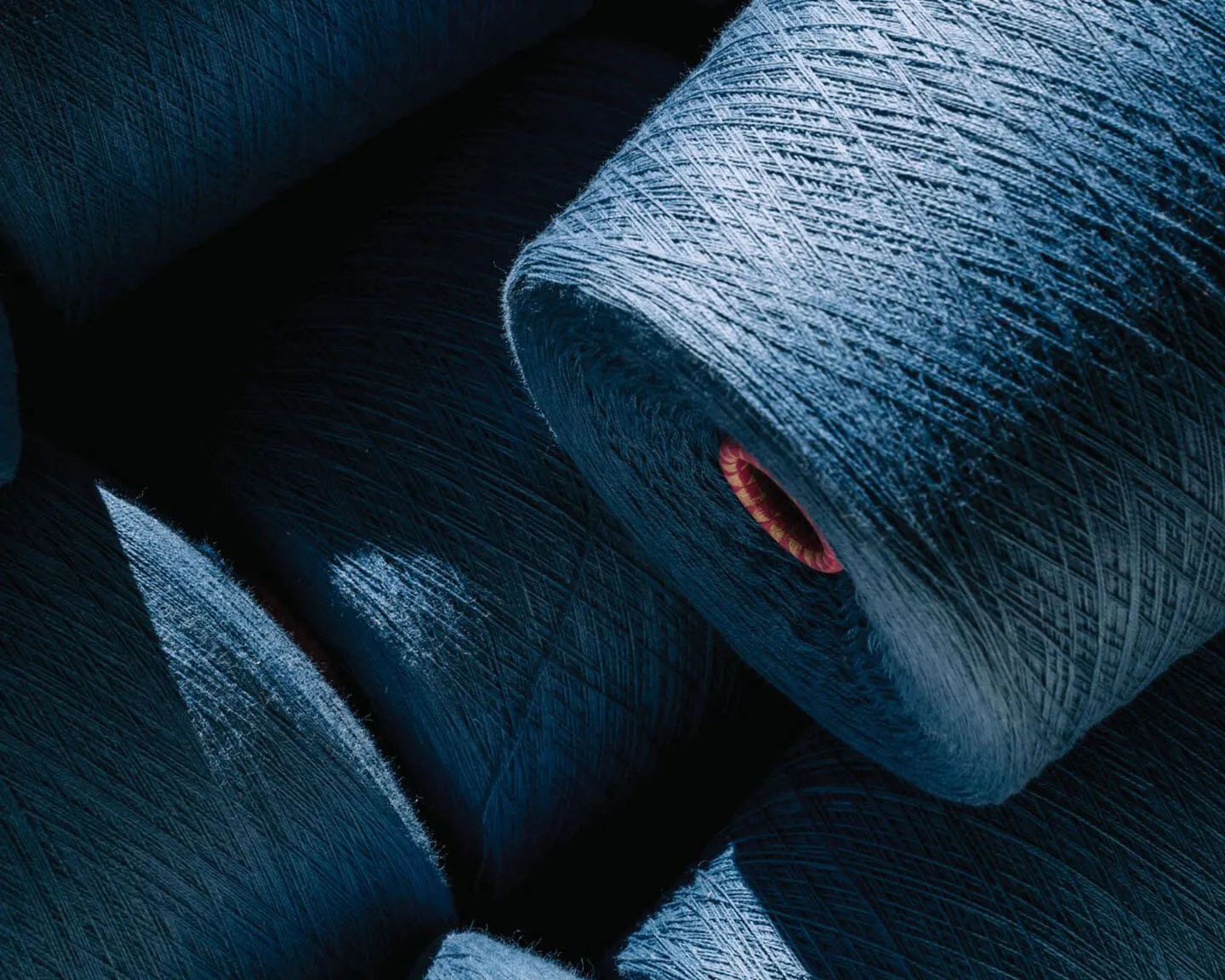
When Is A Material Considered Environmentally Preferred?
Where possible, we prioritize materials that meet the criteria set out in PVH Corp.’s global materials framework, including options with recycled content. PVH Corp.'s framework draws on Textile Exchange’s Fiber & Materials Matrix methodology and other third-party data to inform our material sourcing decisions against defined criteria.
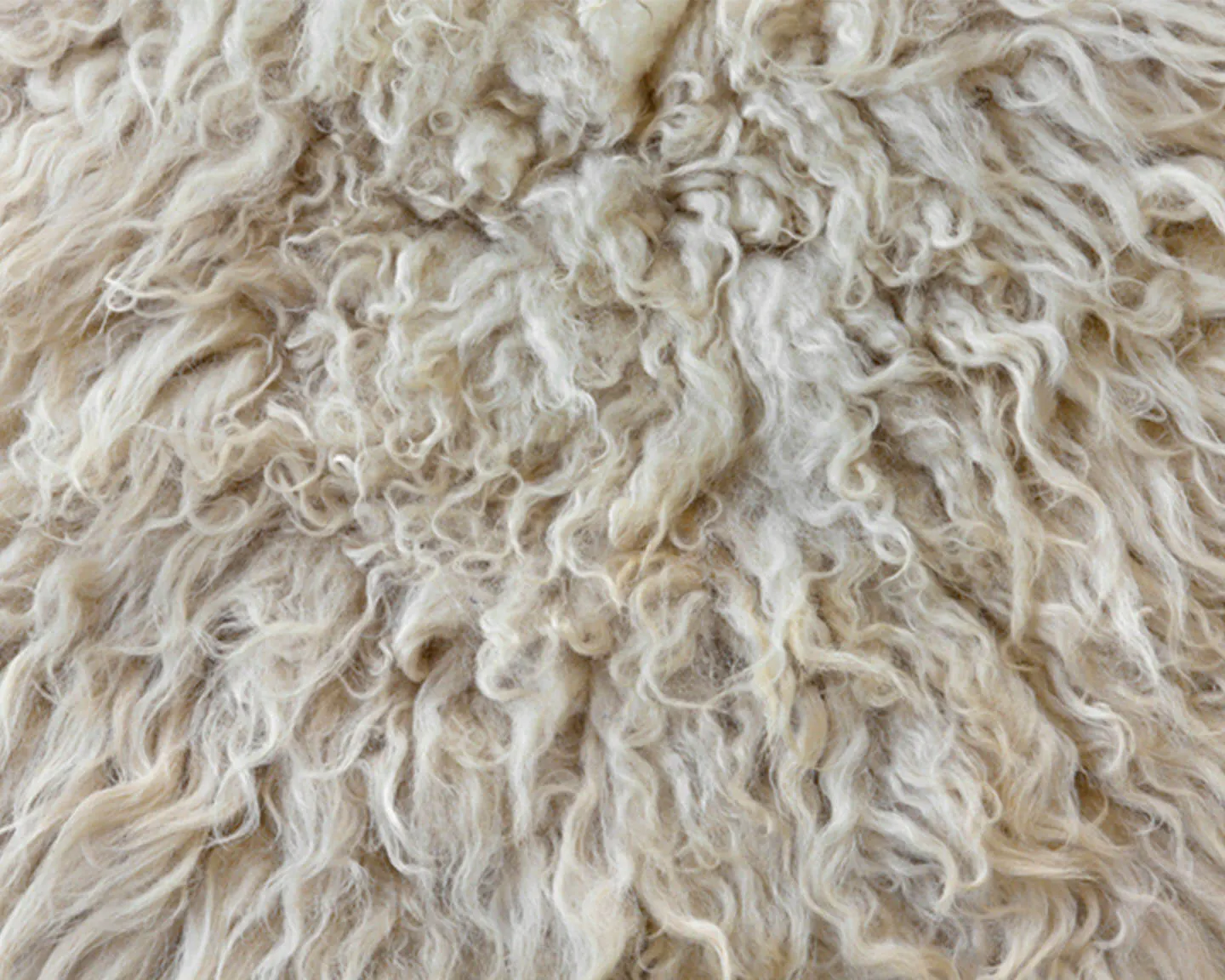
How Do We Ensure Our Claims Are Accurate?
Tommy Hilfiger requires all claims made about environmentally preferred materials to be based on robust third-party certifications and chain of custody documentation. In the fashion industry, Textile Exchange certification standards provide a credible way to authenticate sustainability claims from raw materials to final product. These standards promote preferred raw material sourcing, ethical manufacturing practices, and supply chain transparency.
The Global Recycled Standard (GRS) and the Recycled Claims Standard (RCS) verify recycled content and track it from the source to the final product, while the Organic Content Standard (OCS) verifies the percentage of organically grown material and tracks it from source to final product.
The Responsible Down Standard (RDS) requires animal welfare practices to be in place at duck and goose farms in the down and feather supply chain. And, products certified to the Responsible Wool Standard (RWS), and Responsible Alpaca Standard (RAS) contain wool or alpaca fiber from farms independently certified to animal welfare and land management requirements.
In EMEA, Tommy Hilfiger (Tommy Hilfiger Europe B.V) has obtained Brand Certification under the Textile Exchange standards for the fifth consecutive year. To achieve brand certification, Tommy Hilfiger Europe B.V is audited annually by an independent certification body. The audit looks at whether the environmentally preferred materials in Tommy Hilfiger products can be traced through the supply chain, and that any documentation related to the standards is properly collected and managed.
OCS, GRS, RCS, RWS, RAS and RDS by Control Union under license number CB-CUC- 101748 Textile Exchange-ID (TE-ID): TE-00004618
For materials not covered by Textile Exchange standards, we make sure they meet recognized industry standards and guidelines through certification or verification, supported by traceability systems to enable transparency.
Materials and
Innovation

We believe the future of fashion should consider people, materials and how resources are used.
We are exploring circular design principles and, where possible, incorporating recycled and regenerative materials that meet our standards to make greater use of existing resources.
When Is A Material Considered Environmentally Preferred?
Where possible, we prioritize materials that meet the criteria set out in PVH Corp.’s global materials framework, including options with recycled content. PVH Corp.'s framework draws on Textile Exchange’s Fiber & Materials Matrix methodology and other third-party data to inform our material sourcing decisions against defined criteria.
How Do We Ensure Our Claims Are Accurate?
Tommy Hilfiger requires all claims made about environmentally preferred materials to be based on robust third-party certifications and chain of custody documentation. In the fashion industry, Textile Exchange certification standards provide a credible way to authenticate sustainability claims from raw materials to final product. These standards promote preferred raw material sourcing, ethical manufacturing practices, and supply chain transparency.
Glossary
Organically grown cotton is grown on farms which have obtained third-party certification for practices meeting organic farming criteria. These methods can include avoiding chemical pesticides, chemical fertilizers, and genetically modified seeds (more details: Textile Exchange).
How is it verified? Organically grown cotton is certified to standards such as GOTS (Global Organic Textile Standard) and OCS (Organic Content Standard).
Transitional cotton, also known as in-conversion cotton, is grown using organic farming methods during the period it takes the farmer to receive the organic certification. This process of transition takes approximately three years, or until the land qualifies to be certified organic under national or international organic standards (more details: Textile Exchange).
How is it verified? Transitional cotton is certified to standards such as GOTS (Global Organic Textile Standard) and OCS (Organic Content Standard).
Recycled cotton is made from pre-consumer (e.g. waste created during manufacturing) or post-consumer (e.g. used textiles) cotton waste. Recycled cotton reduces the need for harvesting new cotton fibers (more details: Textile Exchange).
How is it verified? Recycled cotton is certified to standards such as GRS (Global Recycled Standard) and RCS (Recycled Claim Standard).
Regenerative cotton is grown using region-specific farming methods that seek to improve soil health. Regenerative farming methods are selected at each location based on context, climate, and soil type. These methods may include conservation tillage, use of cover crops to reduce soil erosion, irrigation efficiency, and minimizing the use of synthetic fertilizers and pesticides (more details: Regenagri).
How is it verified? Regenerative cotton is certified to standards such as Regenagri.
Recycled leather re-uses existing leather materials, maintaining the original structure of the material. As an example, this leather can be sourced from disassembled garments and re-sewn into new products.
How is it verified? Recycled leather is certified to standards such as GRS (Global Recycled Standard) and RCS (Recycled Claim Standard).
Recycled leather fiber is created by reprocessing leather materials into a new material. Made from leather particles, small pieces or powder derived from pre-consumer (e.g. manufacturing facilities) or post-consumer leather (e.g. used leather products) are combined with synthetic binders to form a new material as a bonded leather.
How is it verified? Recycled leather fibers are certified to standards such as GRS (Global Recycled Standard) and RCS (Recycled Claim Standard).
Tommy Hilfiger is a member of Leather Working Group, a multi-stakeholder organization that sets environmental standards against which leather manufacturers are independently audited and certified. (more details: Leather Working Group).
Recycled wool and cashmere are created by reprocessing existing materials. The materials are often sourced from manufacturing waste such as fabric cuttings or used textiles, reducing the need for sourcing new fibers (more details on recycled wool: Textile Exchange).
How is it verified? Recycled wool and recycled cashmere are certified to standards such as GRS (Global Recycled Standard) and RCS (Recycled Claim Standard).
Certified wool fibers are sourced from sheep farms certified to uphold animal and land management requirements (more details: Textile Exchange).
How is it verified? Certified wool use materials certified to standards such as RWS (Responsible Wool Standard).
Certified down and feathers are sourced from duck or goose farms independently certified to uphold animal welfare requirements (more details: Textile Exchange).
How is it verified? Certified Down and Feathers are certified to standards such as RDS (Responsible Down Standard).
Recycled synthetics, such as polyester, nylon, acrylic, and elastane are created by reprocessing and re-extrusion of existing materials to make new fibers, aiming to reduce the demand for virgin fossil-based raw materials. Pre-consumer inputs generally come from excess or waste material from the manufacturing process, while post-consumer inputs come from items already used by consumers: for example, certain recycled polyester fibers can be produced from used plastic bottles or textiles.
How is it verified? Recycled polyester, recycled nylon, recycled acrylic, and recycled elastane are certified to standards such as GRS (Global Recycled Standard) and RCS (Recycled Claim Standard).
Recycled Thermoplastic Rubber (TPR) is created by reprocessing existing rubber materials, aiming to reduce the demand for virgin fossil-based raw materials.
How is it verified? Recycled TPR is certified to standards such as GRS (Global Recycled Standard) and RCS (Recycled Claim Standard).
Recycled polyurethane (PU) is created by reprocessing existing materials, aiming to reduce the demand for virgin fossil-based raw materials. It can be made with both pre-and post-consumer materials that are melted into new resin or shredded, ground and then blended with a bonding agent.
How is it verified? Recycled polyurethane (PU) is certified to standards such as GRS (Global Recycled Standard) and RCS (Recycled Claim Standard).
REPREVE® is a multi-waste source platform of branded synthetic fibers made from recycled materials including recycled bottles, textiles, or yarn waste. For REPREVE polyester, this means leveraging plastic bottles for diversion from waste streams to recycling to turn them into a performance yarn. REPREVE Our Ocean® is recycled polyester utilizing plastic bottles collected from areas within 50km of coastlines lacking formal waste management systems. Backed by U-TRUST® verification and FiberPrint® tracer technology, all products can be tested and verified at any point in the supply chain (more details: REPREVE).
How is it verified? REPREVE® polyester is certified to GRS (Global Recycled Standard) or RCS (Recycled Content Standard).
LENZING™ ECOVERO™ viscose fibers are a branded viscose fiber made by Lenzing AG. Derived from wood pulp sourced from certified or controlled responsibly managed forests, their production process reduces the generation of greenhouse gas emissions and water pollution by up to 50% when compared to conventional viscose (more details: Ecovero).
How is it verified? LENZING™ ECOVERO™ fibers are produced with a molecular marker. This special identification technology ensures the authenticity and traceability of LENZING™ ECOVERO™ fibers even after processing into textile products.
TENCEL™ modal is a branded modal fiber manufactured by Lenzing AG. Fibers are made from wood pulp sourced from responsibly managed forests. Lenzing has been recognized as one of the best performing companies worldwide in Canopy’s Hot Button Report in 2025 (more details: Tencel).
How is it verified? TENCEL™ Modal fibers are produced with a molecular marker. This special identification technology ensures the authenticity and traceability of TENCEL™ Modal fibers even after processing into textile products.
TENCEL™ Lyocell is a branded lyocell fiber created by Lenzing AG. The fibers are created from wood pulp sourced from certified or controlled sources. Lenzing has been recognized as one of the best performing companies worldwide in Canopy’s Hot Button Report in 2025. TENCEL™ Lyocell is produced in a closed loop process which recovers and reuses 99.8% of the solvent, resulting in close-to-zero wastage (more details: Tencel).
How is it verified? TENCEL™ Lyocell fibers are produced with a molecular marker. This special identification technology ensures the authenticity and traceability of TENCEL™ Lyocell fibers even after processing into textile products.
CIRCULOSE® is a recycled raw material that is used to produce regenerated fibers such as viscose and lyocell. It is made with recycled end-of-life cotton rich textiles in a process using 100% renewable energy (source: Circulose).
How is it verified? Circulose® is certified to RCS (Recycled Claim Standard).
The Global Recycled Standard (GRS) and the Recycled Claims Standard (RCS) verify recycled content and track it from the source to the final product, while the Organic Content Standard (OCS) verifies the percentage of organically grown material and tracks it from source to final product.
The Responsible Down Standard (RDS) requires animal welfare practices to be in place at duck and goose farms in the down and feather supply chain. And, products certified to the Responsible Wool Standard (RWS), and Responsible Alpaca Standard (RAS) contain wool or alpaca fiber from farms independently certified to animal welfare and land management requirements.
In EMEA, Tommy Hilfiger (Tommy Hilfiger Europe B.V) has obtained Brand Certification under the Textile Exchange standards for the fifth consecutive year. To achieve brand certification, Tommy Hilfiger Europe B.V is audited annually by an independent certification body. The audit looks at whether the environmentally preferred materials in Tommy Hilfiger products can be traced through the supply chain, and that any documentation related to the standards is properly collected and managed.
OCS, GRS, RCS, RWS, RAS and RDS by Control Union under license number CB-CUC- 101748 Textile Exchange-ID (TE-ID): TE-00004618
For materials not covered by Textile Exchange standards, we make sure they meet recognized industry standards and guidelines through certification or verification, supported by traceability systems to enable transparency.
Glossary
Organically grown cotton is grown on farms which have obtained third-party certification for practices meeting organic farming criteria. These methods can include avoiding chemical pesticides, chemical fertilizers, and genetically modified seeds (more details: Textile Exchange).
How is it verified? Organically grown cotton is certified to standards such as GOTS (Global Organic Textile Standard) and OCS (Organic Content Standard).
Transitional cotton, also known as in-conversion cotton, is grown using organic farming methods during the period it takes the farmer to receive the organic certification. This process of transition takes approximately three years, or until the land qualifies to be certified organic under national or international organic standards (more details: Textile Exchange).
How is it verified? Transitional cotton is certified to standards such as GOTS (Global Organic Textile Standard) and OCS (Organic Content Standard).
Recycled cotton is made from pre-consumer (e.g. waste created during manufacturing) or post-consumer (e.g. used textiles) cotton waste. Recycled cotton reduces the need for harvesting new cotton fibers (more details: Textile Exchange).
How is it verified? Recycled cotton is certified to standards such as GRS (Global Recycled Standard) and RCS (Recycled Claim Standard).
Regenerative cotton is grown using region-specific farming methods that seek to improve soil health. Regenerative farming methods are selected at each location based on context, climate, and soil type. These methods may include conservation tillage, use of cover crops to reduce soil erosion, irrigation efficiency, and minimizing the use of synthetic fertilizers and pesticides (more details: Regenagri).
How is it verified? Regenerative cotton is certified to standards such as Regenagri.
Recycled leather re-uses existing leather materials, maintaining the original structure of the material. As an example, this leather can be sourced from disassembled garments and re-sewn into new products.
How is it verified? Recycled leather is certified to standards such as GRS (Global Recycled Standard) and RCS (Recycled Claim Standard).
Recycled leather fiber is created by reprocessing leather materials into a new material. Made from leather particles, small pieces or powder derived from pre-consumer (e.g. manufacturing facilities) or post-consumer leather (e.g. used leather products) are combined with synthetic binders to form a new material as a bonded leather.
How is it verified? Recycled leather fibers are certified to standards such as GRS (Global Recycled Standard) and RCS (Recycled Claim Standard).
Tommy Hilfiger is a member of Leather Working Group, a multi-stakeholder organization that sets environmental standards against which leather manufacturers are independently audited and certified. (more details: Leather Working Group).
Recycled wool and cashmere are created by reprocessing existing materials. The materials are often sourced from manufacturing waste such as fabric cuttings or used textiles, reducing the need for sourcing new fibers (more details on recycled wool: Textile Exchange).
How is it verified? Recycled wool and recycled cashmere are certified to standards such as GRS (Global Recycled Standard) and RCS (Recycled Claim Standard).
Certified wool fibers are sourced from sheep farms certified to uphold animal and land management requirements (more details: Textile Exchange).
How is it verified? Certified wool use materials certified to standards such as RWS (Responsible Wool Standard).
Certified down and feathers are sourced from duck or goose farms independently certified to uphold animal welfare requirements (more details: Textile Exchange).
How is it verified? Certified Down and Feathers are certified to standards such as RDS (Responsible Down Standard).
Recycled synthetics, such as polyester, nylon, acrylic, and elastane are created by reprocessing and re-extrusion of existing materials to make new fibers, aiming to reduce the demand for virgin fossil-based raw materials. Pre-consumer inputs generally come from excess or waste material from the manufacturing process, while post-consumer inputs come from items already used by consumers: for example, certain recycled polyester fibers can be produced from used plastic bottles or textiles.
How is it verified? Recycled polyester, recycled nylon, recycled acrylic, and recycled elastane are certified to standards such as GRS (Global Recycled Standard) and RCS (Recycled Claim Standard).
Recycled Thermoplastic Rubber (TPR) is created by reprocessing existing rubber materials, aiming to reduce the demand for virgin fossil-based raw materials.
How is it verified? Recycled TPR is certified to standards such as GRS (Global Recycled Standard) and RCS (Recycled Claim Standard).
Recycled polyurethane (PU) is created by reprocessing existing materials, aiming to reduce the demand for virgin fossil-based raw materials. It can be made with both pre-and post-consumer materials that are melted into new resin or shredded, ground and then blended with a bonding agent.
How is it verified? Recycled polyurethane (PU) is certified to standards such as GRS (Global Recycled Standard) and RCS (Recycled Claim Standard).
REPREVE® is a multi-waste source platform of branded synthetic fibers made from recycled materials including recycled bottles, textiles, or yarn waste. For REPREVE polyester, this means leveraging plastic bottles for diversion from waste streams to recycling to turn them into a performance yarn. REPREVE Our Ocean® is recycled polyester utilizing plastic bottles collected from areas within 50km of coastlines lacking formal waste management systems. Backed by U-TRUST® verification and FiberPrint® tracer technology, all products can be tested and verified at any point in the supply chain (more details: REPREVE).
How is it verified? REPREVE® polyester is certified to GRS (Global Recycled Standard) or RCS (Recycled Content Standard).
LENZING™ ECOVERO™ viscose fibers are a branded viscose fiber made by Lenzing AG. Derived from wood pulp sourced from certified or controlled responsibly managed forests, their production process reduces the generation of greenhouse gas emissions and water pollution by up to 50% when compared to conventional viscose (more details: Ecovero).
How is it verified? LENZING™ ECOVERO™ fibers are produced with a molecular marker. This special identification technology ensures the authenticity and traceability of LENZING™ ECOVERO™ fibers even after processing into textile products.
TENCEL™ modal is a branded modal fiber manufactured by Lenzing AG. Fibers are made from wood pulp sourced from responsibly managed forests. Lenzing has been recognized as one of the best performing companies worldwide in Canopy’s Hot Button Report in 2025 (more details: Tencel).
How is it verified? TENCEL™ Modal fibers are produced with a molecular marker. This special identification technology ensures the authenticity and traceability of TENCEL™ Modal fibers even after processing into textile products.
TENCEL™ Lyocell is a branded lyocell fiber created by Lenzing AG. The fibers are created from wood pulp sourced from certified or controlled sources. Lenzing has been recognized as one of the best performing companies worldwide in Canopy’s Hot Button Report in 2025. TENCEL™ Lyocell is produced in a closed loop process which recovers and reuses 99.8% of the solvent, resulting in close-to-zero wastage (more details: Tencel).
How is it verified? TENCEL™ Lyocell fibers are produced with a molecular marker. This special identification technology ensures the authenticity and traceability of TENCEL™ Lyocell fibers even after processing into textile products.
CIRCULOSE® is a recycled raw material that is used to produce regenerated fibers such as viscose and lyocell. It is made with recycled end-of-life cotton rich textiles in a process using 100% renewable energy (source: Circulose).
How is it verified? Circulose® is certified to RCS (Recycled Claim Standard).